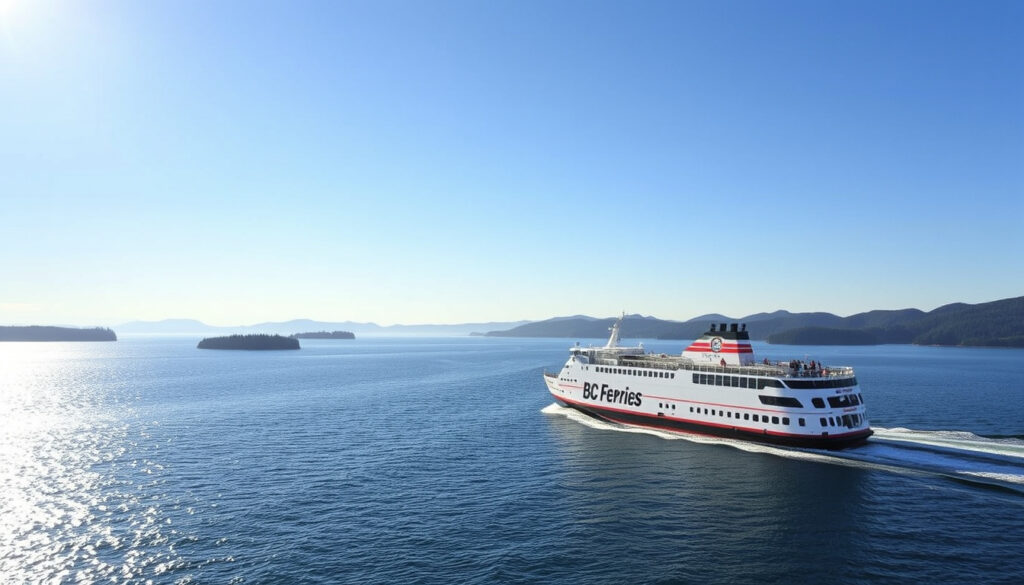
Horseshoe Bay to Nanaimo – Ferry Schedule, Fares, Directions 2025
The ferry crossing from Horseshoe Bay to Nanaimo connects mainland British Columbia with Vancouver Island through one of the province’s most heavily travelled maritime routes. Operated by BC Ferries, the passage across the Strait of Georgia offers an alternative to the longer Tsawwassen to Duke Point crossing, making it a popular choice for both commuters and tourists heading to central Vancouver Island.
Travellers departing from the Vancouver area will find Horseshoe Bay Terminal conveniently positioned in West Vancouver, approximately 20 kilometres from downtown Vancouver. The route to Departure Bay in Nanaimo has undergone significant operational changes recently, with new reservation requirements and infrastructure modifications taking effect in late 2025. Understanding the current procedures, schedules, and terminal facilities can help ensure a smooth crossing.
This guide covers the essential details for planning your journey, from departure times and crossing duration to terminal amenities and check-in procedures.
How Do I Get from Horseshoe Bay to Nanaimo?
The primary route from Horseshoe Bay to Nanaimo travels across the Strait of Georgia to Departure Bay, a terminal situated five minutes north of Nanaimo’s city centre. BC Ferries operates this service as part of its major coastal ferry network, with multiple daily sailings connecting the mainland to Vancouver Island.
Drivers can reach Horseshoe Bay Terminal via the Trans-Canada Highway 1, with the terminal located at 6750 Keith Road in West Vancouver. From downtown Vancouver, the drive takes approximately 25 minutes under normal traffic conditions. For those travelling from further afield, the terminal handled 7.1 million passengers and 3 million vehicles in 2024, reflecting the route’s importance to regional transportation.
An alternative route exists via Tsawwassen Terminal to Duke Point, which takes approximately two hours. That crossing offers earlier first departures beginning at 5:15 a.m., though the Horseshoe Bay route provides closer access to north-central Vancouver Island destinations including Parksville and Qualicum Beach, roughly 30 to 33 kilometres from Departure Bay Terminal.
- Book vehicle crossings well in advance during summer months, as demand frequently exceeds available space
- Arrive at the terminal at least 60 minutes before departure for reserved crossings during peak periods
- Foot passengers can still purchase tickets without reservations but may face queuing during busy times
- Check current conditions before travelling, as weather can affect service reliability
- The October 2025 changes eliminated walk-up vehicle fares entirely
- Motorcycles and tour operators now require advance booking and prepayment
| Fact | Details |
|---|---|
| Crossing Time | 1 hour 40 minutes |
| Sailings Per Day | Up to 10 departures |
| Adult Passenger Fare | From $20 CAD |
| Vehicle Fare | From $40 CAD (combined) |
| Terminal Address | 6750 Keith Road, West Vancouver |
| Arrival Terminal | Departure Bay, Nanaimo |
What Is the Ferry Schedule from Horseshoe Bay to Nanaimo?
The Horseshoe Bay to Departure Bay schedule follows a structured pattern throughout the year, with variations between peak and off-peak seasons. Understanding these patterns helps travellers select appropriate departure times and plan their overall journey.
Daily Departure Windows
The first ferry of the day departs between 6:15 and 6:30 a.m., with subsequent sailings following approximately every two hours throughout the day. The final departure window falls between 8:00 and 10:40 p.m., with the exact time depending on the season and day of the week.
BC Ferries adds extra departures during summer months and holiday periods to accommodate increased demand. The operator recommends checking the official BC Ferries website directly for the most current schedule, as times shift seasonally and may vary on weekends versus weekdays.
Reservation Requirements
Significant changes took effect on October 15, 2025, fundamentally altering how travellers access this route. All vehicles, including motorcycles and commercial tour operators, must now be booked and paid for in advance before arriving at the terminal. Walk-up vehicle fares have been eliminated entirely, meaning spontaneous vehicle crossings are no longer possible.
Prepaid and saver fares offer the best rates for advance bookings. Without a reservation, vehicle access cannot be guaranteed, particularly during summer weekends when demand peaks significantly.
Foot passengers retain more flexibility under the current policy. They can still purchase tickets without advance reservations, though booking ahead remains strongly recommended during high-traffic periods to secure preferred sailing times.
Check-In Procedures
Passengers with advance reservations must check in no earlier than 120 minutes before departure and no later than 30 minutes before the scheduled sailing. This window allows terminal staff adequate time to process vehicles and manage the boarding sequence.
Those travelling without vehicle reservations should note that ticket sales close 10 minutes before departure for foot passengers and just 5 minutes before departure for vehicles. Boarding must be complete at least 5 minutes before departure time.
How Long Is the Ferry from Horseshoe Bay to Nanaimo?
The direct crossing from Horseshoe Bay to Departure Bay takes approximately one hour and 40 minutes. This duration makes the route faster than the Tsawwassen to Duke Point alternative, which requires about two hours of sailing time.
Factors Affecting Travel Time
While the scheduled crossing time remains consistent, actual journey duration can vary based on weather conditions, sea state, and vessel type. Passengers should budget additional time beyond the one-hour-forty-minute base duration, particularly during winter months when storms occasionally delay departures or extend crossing times.
BC Ferries service is subject to cancellation with little to no notice due to weather or other unforeseen circumstances. Travellers should verify current conditions through official channels before beginning their journey, especially during fall and winter months when Pacific storms frequently affect Strait of Georgia crossings.
Cost Breakdown
Fares for the Horseshoe Bay to Nanaimo crossing start from $40 per vehicle when booked in advance. This rate typically includes one standard vehicle and the driver, with additional charges applying for passengers beyond the driver and oversized vehicles. Foot passenger fares begin around $20 for adults, with reduced rates available for children and seniors.
The elimination of drive-up fares means all vehicle crossings must be prepaid at the time of booking. Saver fares and prepaid options provide the most economical rates, though they come with reduced flexibility for changes or cancellations.
Pet Policies
The Departure Bay Terminal features a dedicated pet area for travellers with animals. However, specific requirements for pet travel aboard the ferry vessels, including carrier specifications and any applicable fees, are not detailed in current publicly available information. Travellers should consult BC Ferries directly regarding animal policies before their trip.
Where Are the Horseshoe Bay and Nanaimo Ferry Terminals?
The departure and arrival terminals serve distinct geographic areas of British Columbia’s ferry network. Each facility offers specific amenities and connections that influence how travellers continue their journeys.
Horseshoe Bay Terminal
Horseshoe Bay Terminal sits in West Vancouver at 6750 Keith Road, positioned directly off the Trans-Canada Highway 1. The terminal lies approximately 20 kilometres from downtown Vancouver, making it accessible for travellers originating from the city centre or surrounding municipalities. Access from Highway 1 provides straightforward navigation for those arriving from the north or east, while the SeaBus connection from downtown Vancouver offers an alternative for those without vehicles.
The terminal’s proximity to the North Shore neighbourhoods of West Vancouver, North Vancouver, and Lions Bay makes it the natural choice for Island-bound travellers from those communities. Parking facilities accommodate day-trippers, though spaces can fill quickly during peak travel periods.
Departure Bay Terminal
Arriving passengers reach Departure Bay, located just five minutes north of Nanaimo’s city centre. This positioning provides convenient access to downtown Nanaimo amenities, including the waterfront and harbour area. The terminal sits approximately 30 to 33 kilometres from Parksville Qualicum Beach, placing that destination within a 30-minute drive for those continuing north along Highway 19.
Departure Bay Terminal offers waiting areas with Wi-Fi, vending machines, an ATM, coffee service, on-site parking, taxi service, and public transit connections including BC Transit, Island Link Bus, and Vancouver Island Connector. The nearby Nanaimo Quay Market provides dining and retail options within walking distance.
Driving Directions
From Vancouver proper, the most direct route follows Highway 99 north through downtown and into West Vancouver, exiting at Woodwards or North Vancouver before reaching the terminal. Alternatively, Highway 1 provides a more direct suburban route, passing through Burnaby and Coquitlam before reaching the North Shore. Both routes converge near the terminal area, with clear signage directing traffic to the ferry check-in lanes.
Travellers connecting from flights arriving at Vancouver International Airport should plan for approximately 45 to 60 minutes of driving time to reach the terminal, depending on traffic conditions and the time of day. For those arriving by air, Mercedes-Benz steering recall Canada can help you plan your journey to the terminal.
Typical Daily Sailings Timeline
While exact departure times shift seasonally, the general pattern of daily sailings follows a consistent structure. The following timeline represents typical weekday departures, though travellers should verify current schedules directly.
- Morning departures: 6:15 a.m. to 10:15 a.m. (typically 2-3 sailings during this window)
- Midday departures: 12:15 p.m. to 4:15 p.m. (typically 2-3 sailings during this window)
- Afternoon departures: 6:15 p.m. to 8:15 p.m. (typically 2 sailings during this window)
- Evening departure: 10:40 p.m. (final sailing of the day during peak seasons)
Summer schedules typically add additional departures, extending the evening options and potentially adding sailings during the midday peak. Winter schedules tend toward the minimum frequency, with fewer options for travellers who miss morning crossings.
What Information Is Verified and What Remains Uncertain?
Given recent changes to this route’s operations, travellers benefit from understanding which details remain well-established and which may require direct confirmation closer to their travel date.
| Established Information | Information Requiring Verification |
|---|---|
| Crossing duration: 1 hour 40 minutes | Specific peak-season departure times |
| Reservation requirement for all vehicles (as of October 2025) | Current fare amounts (confirm at booking) |
| Elimination of walk-up vehicle fares | Availability during major holiday weekends |
| Terminal locations and addresses | Weather-related service disruptions |
| 25% reduction in vehicle staging capacity | Pet travel requirements and restrictions |
| Check-in windows (120 min early, closes 30 min before) | Wait times during peak travel periods |
The BC Ferries website and mobile application provide real-time schedule information and current advisories. For those planning trips during summer months or holiday periods, confirming reservation availability several weeks in advance offers the best chance of securing preferred sailing times.
Why Is This Route Important for Vancouver Island Travel?
The Horseshoe Bay to Nanaimo corridor represents one of British Columbia’s most significant passenger and vehicle ferry routes, functioning as a critical link between the Lower Mainland and central Vancouver Island. The route’s popularity stems from its relative speed compared to alternative crossings and its strategic positioning for accessing communities along the island’s eastern shore.
For tourists heading to destinations such as Tofino, Ucluelet, Qualicum Beach, or Parksville, this crossing provides the most direct maritime approach. The route also serves island residents travelling to Vancouver for medical appointments, shopping, or air travel connections, with the crossing providing a predictable alternative to the longer drive around the island’s southern tip. Those planning a broader Vancouver Island itinerary will find this crossing connects conveniently with destinations up and down the island.
The 2024 passenger and vehicle volumes at Horseshoe Bay Terminal demonstrate the route’s sustained importance to regional mobility. Infrastructure changes implemented in late 2025, including the 25% reduction in vehicle staging capacity, reflect ongoing upgrades to the terminal that may temporarily affect peak-season throughput while improvements proceed.
What Do Official Sources Say?
BC Ferries maintains official schedule and fare information through its website and customer service channels. The operator’s advisories regarding the October 2025 changes emphasize the importance of advance booking and prepayment for all vehicle crossings.
All vehicles, including motorcycles and tour operators, must be booked and paid for in advance. Drive-up fares are no longer available on this route.
— BC Ferries service advisory, 2025
News coverage from Global News documented the infrastructure changes accompanying the policy shift, noting the reduction in staging capacity due to terminal upgrades. The report highlighted concerns from some users regarding the impact of eliminating walk-up availability on spontaneous travellers.
Regional tourism organizations, including Visit Parksville Qualicum Beach, have incorporated the updated ferry information into their travel planning resources, recognizing the route’s significance for visitors to central Vancouver Island.
Planning Your Horseshoe Bay to Nanaimo Trip
Successfully navigating the Horseshoe Bay to Nanaimo crossing requires advance planning, particularly for those travelling with vehicles. The October 2025 policy changes have eliminated the flexibility of spontaneous vehicle crossings, making advance reservations essential rather than optional.
Travellers should determine their preferred departure time, book as early as possible especially during summer months, arrive within the recommended check-in window, and prepare for potential weather-related delays. The terminal amenities at Departure Bay provide comfortable waiting options, while onward connections via public transit or rental vehicles facilitate continued travel on Vancouver Island.
For those exploring broader travel options within Canada, Calgary to Banff bus services offer ground transportation alternatives for reaching Banff National Park from Alberta’s largest city.
Frequently Asked Questions
Do I need reservations for the Horseshoe Bay to Nanaimo ferry?
Yes, as of October 15, 2025, all vehicles including motorcycles and tour operators must be booked and paid for in advance. Walk-up vehicle fares are no longer available. Foot passengers can still purchase tickets without reservations, though advance booking is recommended.
What is the Nanaimo ferry terminal address?
The Departure Bay Terminal is located approximately five minutes north of Nanaimo city centre. The Horseshoe Bay Terminal address is 6750 Keith Road, West Vancouver, accessible from Trans-Canada Highway 1.
How much does the Horseshoe Bay to Nanaimo ferry cost?
Fares start from $40 per vehicle when booked in advance, typically including the driver. Adult passenger fares begin around $20. Saver and prepaid fares offer the best rates but have limited flexibility.
Are there pet policies on the Horseshoe Bay to Nanaimo ferry?
Departure Bay Terminal has a dedicated pet area. Specific pet travel requirements aboard the ferry vessels, including carrier specifications and fees, should be confirmed directly with BC Ferries as this information varies by vessel and crossing conditions.
How long is the ferry crossing from Horseshoe Bay to Nanaimo?
The crossing takes approximately 1 hour and 40 minutes, making it shorter than the Tsawwassen to Duke Point route which takes about 2 hours.
What are alternatives to the Horseshoe Bay to Nanaimo ferry?
BC Ferries operates a second route from Tsawwassen to Duke Point with approximately 2-hour sailing times. The Tsawwassen terminal has departures beginning at 5:15 a.m. This route offers earlier departures but requires a longer drive to the terminal from Vancouver.
When should I arrive at the ferry terminal?
Passengers with reservations should check in between 120 and 30 minutes before departure. Those without reservations should complete ticket purchases 10 minutes before departure for foot passengers or 5 minutes before for vehicles. Boarding closes 5 minutes before departure.
How do I drive to Horseshoe Bay ferry terminal?
From Vancouver, take Highway 99 north through downtown to West Vancouver, or use Highway 1 through the North Shore suburbs. The terminal is clearly signposted off both routes. The drive takes approximately 25 minutes from downtown Vancouver under normal conditions.
More related posts
 1500 USD to CAD: Live Rate and Forecasts Today
 Macklin Celebrini: Age, Height, Contract & Family Facts
 Let It Be Lyrics: Meaning, Analysis, and John Lennon’s View
 What Is a Carbon Offset? Definition, Examples, and How It Works
 Lori Loughlin: College Scandal, Prison, and Comeback
 Mélanie Joly: Biography, Career, Net Worth, Contact
 Alexander Skarsgård: Biography, Relationships, Family & Career
 Lenovo Serial Number Lookup: How to Find, Check & Decode
