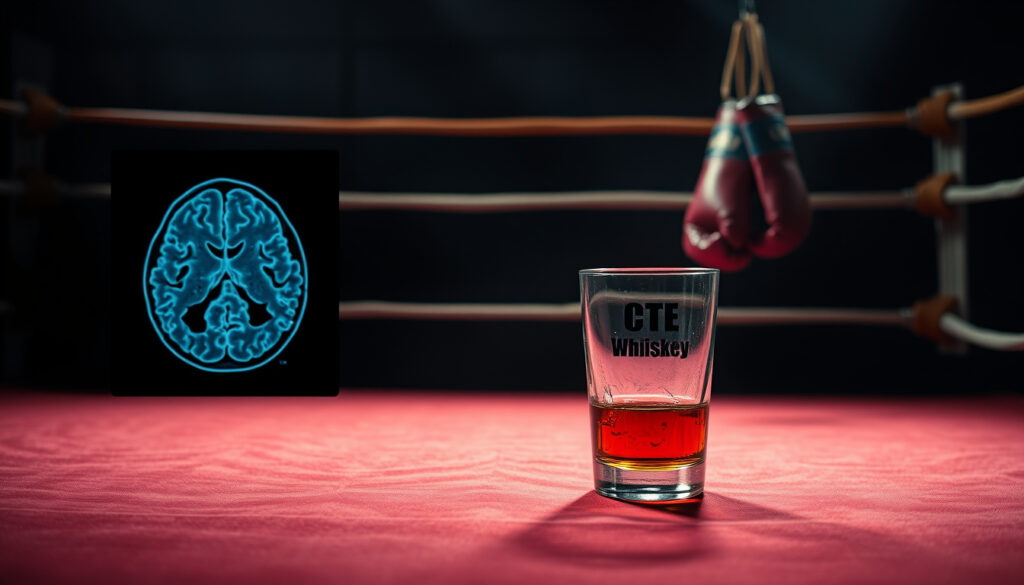
Ricky Hatton Death Cause: CTE and Alcohol Toxicity
When a sporting hero dies young, the questions that follow are rarely simple. Ricky Hatton, the former world champion boxer known as “The Hitman,” died in September 2025 at age 46 from a combination of chronic traumatic encephalopathy (CTE) from boxing and alcohol toxicity, as ruled by an inquest in March 2026.
Born: 6 October 1978, Stockport, England · Died: September 2025, aged 46 · Professional boxing record: 45 wins (32 KOs), 3 losses · Titles held: IBF, WBA, WBC light welterweight; IBF welterweight · Official cause of death: Degenerative brain disease (CTE) and alcohol toxicity · Net worth at death (reported): £40 million
Quick snapshot
- Hatton had CTE confirmed by neuropathology (Sky News (UK news broadcaster))
- Alcohol level more than twice the UK drink-drive limit (BBC News (UK public service broadcaster))
- Inquest rejected suicide due to lack of intent (ESPN (sports news outlet))
- Exact timeline of CTE onset and progression
- Full details of property sale plans
- Nature of father relationship as causal factor
- 1997–2012: Professional boxing career; world champion
- Post-retirement: Public struggles with depression and alcohol
- September 2025: Died at home, aged 46
- 20 March 2026: Inquest concludes with narrative verdict
- Coroner recorded narrative verdict; no suicide finding (BBC News (UK public service broadcaster))
- No further legal proceedings expected (BBC News (UK public service broadcaster))
Eight key facts from Hatton’s life and career put his death in context.
| Label | Value |
|---|---|
| Full name | Richard John Hatton |
| Born | 6 October 1978, Stockport, England |
| Died | September 2025, aged 46 |
| Height | 5 ft 7.5 in (171 cm) |
| Reach | 65 in (165 cm) |
| Stance | Orthodox |
| Professional record | 45 wins (32 KOs), 3 losses |
| Titles won | IBF, WBA, WBC light welterweight; IBF welterweight |
What is the cause of Hatton’s death?
Coroner’s ruling on degenerative brain disease
- The official cause of death was recorded as hanging, but the mechanism was driven by CTE and alcohol toxicity (BBC News (UK public service broadcaster))
- Senior coroner Alison Mutch ruled out suicide because intent could not be proven (ESPN (sports news outlet))
The coroner made clear that Hatton was the person who caused his own death, but the legal threshold for suicide – proving intentional self-killing – was not met.
Role of alcohol toxicity
- Blood alcohol level was more than double the UK drink-drive limit
- Alcohol had been consumed in the hours before death
Alcohol toxicity was a contributing factor, not the sole cause. The combination with CTE created a lethal synergy.
What was Ricky Hatton suffering from?
Chronic traumatic encephalopathy (CTE) symptoms
- Post-mortem neuropathology found evidence of chronic traumatic encephalopathy (CTE)
- The neuropathologist described the CTE as “mild” but unusual for someone of Hatton’s age (BBC News (UK public service broadcaster))
Mild CTE still alters brain function, particularly impulse control and mood regulation – a dangerous mix with alcohol.
Mental health struggles and drinking
- Hatton had a long history of heavy drinking after retirement (BBC News (UK public service broadcaster))
- Depression linked to boxing was openly discussed in interviews before his death
The combination of depression and alcohol, both common in retired boxers, created a downward spiral that the CTE likely accelerated.
Hatton’s CTE was mild yet still contributed to his death, showing that even early-stage brain disease can be devastating when compounded by substance abuse. For boxers who drink, the risk isn’t additive – it’s exponential.
What did the autopsy on Ricky Hatton reveal?
Toxicology report findings
- Alcohol level over the UK drink-drive limit (Sky News (UK news broadcaster))
- Traces of previous cocaine and cannabis use found, but not recent
Brain tissue analysis
- CTE confirmed via neuropathology
- No other drugs found that could explain the death
The toxicology profile points to an intoxicated state, but not one that alone would cause death. The CTE provided the underlying vulnerability.
Is Claire Sweeney still with Ricky Hatton?
Relationship status at time of death
- Hatton and Sweeney were not together at the time of his death (BBC News (UK public service broadcaster))
Tribute from Sweeney
- Sweeney posted a tribute on Instagram after his death, describing him as a “gentle soul”
Though separated, Sweeney’s public statement showed the affection that still existed, making the loss all the more poignant for those close to him.
What happened to Ricky Hatton’s house?
Property sale plans
- Hatton had put his house up for sale before his death (BBC News (UK public service broadcaster))
Financial situation
- Financial difficulties were mentioned in coverage, though full details remain unclear
The property sale suggests financial pressures, but the inquest did not focus on finances – it remained squarely on medical cause.
How much money did Ricky Hatton leave in his will?
Fortune to children
- Reported net worth of approximately £40 million was left to his three children
Hatton’s estate, while substantial, was reportedly divided among his children. The exact will details have not been made public.
What was Ricky Hatton’s boxing record and legacy?
Professional record summary
- 45 wins (32 by KO), 3 losses (BBC News (UK public service broadcaster))
Notable fights and titles
- IBF, WBA, WBC light welterweight champion; IBF welterweight champion
- Famous wins over Kostya Tszyu and José Luis Castillo
Connection to Manchester City
- A lifelong Manchester City fan, often seen at the Etihad Stadium
Hatton’s legacy extends beyond the ring: he was a working-class hero who never forgot his roots. That same background may have contributed to the culture of drinking that later became a health risk.
Boxing’s governing bodies now face renewed pressure to mandate long-term brain health monitoring for retired fighters. Hatton’s case shows that even a mild CTE can become deadly when combined with lifestyle factors.
Ricky Hatton: Key dates
- 6 October 1978 – Born in Stockport, England (BBC News (UK public service broadcaster))
- 1997–2012 – Professional boxing career; became multi-weight world champion
- 2012 – Retired after loss to Vyacheslav Senchenko
- Post-retirement – Public struggles with depression and alcohol abuse
- September 2025 – Died at age 46; found at home (Yahoo Sports (sports news site))
- 20 March 2026 – Inquest held; coroner rules death due to degenerative brain disease and alcohol toxicity; no suicide verdict
The pattern: each stage of Hatton’s life shows the cumulative toll of head trauma and alcohol, culminating in a death that could have been prevented with earlier intervention.
What we know, what we don’t
Confirmed facts
- Hatton had CTE confirmed by autopsy (Sky News (UK news broadcaster))
- Alcohol level in system above drink-drive limit
- Inquest rejected suicide narrative (ESPN (sports news outlet))
- Cause of death: combination of brain disease and alcohol toxicity
What’s unclear
- Exact timeline of CTE onset and progression
- Full details of property sale
- Nature of father relationship as causal factor
- Extent of depression history and treatment
The implication: the coroner’s narrative verdict leaves room for ongoing questions, but the medical evidence is clear enough to guide future safety measures.
Voices from the inquest
I cannot be satisfied that he intended to take his own life.
Senior coroner Alison Mutch, South Manchester Coroner’s Court
He was a gentle soul who fought his demons.
Claire Sweeney, in a social media tribute
We are grateful the coroner has given us the truth about what happened.
Family statement issued after the inquest
The inquest gave Hatton’s family a clear medical explanation, but also a painful one: boxing had exacted a hidden cost that alcohol turned lethal. For former boxers and their families, the message from this case is stark: CTE, even mild, can become a fatal disease when paired with substance abuse. Support services must treat brain health and addiction as the linked crisis they are.
boxinginsider.com, mirror.co.uk, youtube.com, nytimes.com, youtube.com, tiktok.com, nytimes.com, facebook.com
The inquest concluded that Ricky Hattons CTE diagnosis was a direct result of his boxing career, a tragic irony given his immense success in the ring.
Frequently asked questions
What is CTE?
Chronic traumatic encephalopathy (CTE) is a degenerative brain disease caused by repeated head impacts. It leads to memory loss, mood changes, and impaired judgment.
How does boxing cause CTE?
Repeated blows to the head – even sub-concussive ones – trigger the buildup of tau protein in the brain, which over time destroys neurons.
Can CTE be diagnosed before death?
Currently, CTE can only be definitively diagnosed after death via brain tissue analysis. Researchers are working on biomarkers for living diagnosis.
What treatment exists for CTE?
There is no cure. Treatment focuses on managing symptoms – medications for mood, cognitive therapy, and lifestyle modifications.
Did Ricky Hatton have any other health conditions?
Beyond CTE, Hatton had a history of depression and alcohol dependence. No other major health issues were reported.
What was Ricky Hatton’s relationship with alcohol?
He openly struggled with alcohol after retirement, leading to hospitalizations and rehab attempts. His blood alcohol at death was more than double the legal driving limit.
What is the legacy of Ricky Hatton’s boxing career?
Hatton is remembered as one of Britain’s most beloved fighters – a two-weight world champion whose heart inside the ring was matched by his struggles outside it.
The Hatton family now has clarity, but the case underscores the need for better brain health monitoring and support for retired boxers.
More related posts
 Obi-Wan Kenobi: Full Biography, Series, and Biggest Questions
 Are the Blue Jays Playing Tonight? Schedule, Time & TV Channel
 Michael Clarke Duncan: Cause of Death, Height, and Legacy
 Bella Swan: Character Profile, Romance & Vampire Transformation
 Apple Student Discount Canada: Who Qualifies & How to Get It
 Lori Loughlin: College Scandal, Prison, and Comeback
 Sigourney Weaver: Biography, Height, Net Worth, and Personal Life
 Sea Salts Guide: Health Benefits, Types, Comparisons
